Best Visa Card
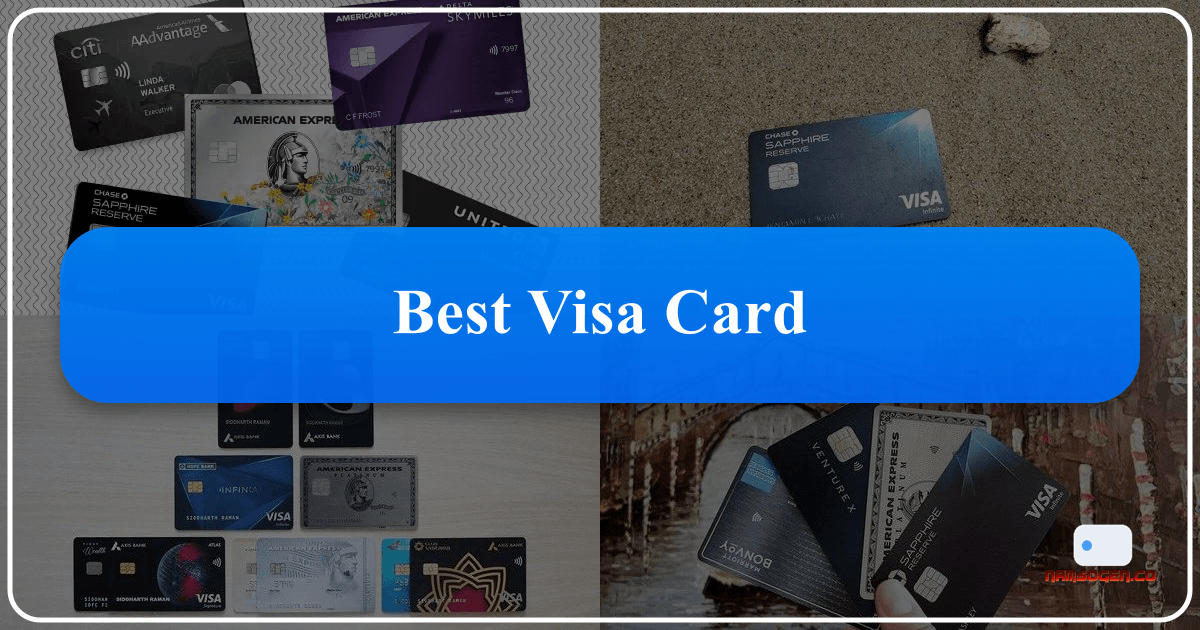
Best Visa Card
In the vast landscape of personal finance, choosing the right credit card can significantly impact your financial well-being, from earning valuable rewards to securing crucial travel perks. Among the various payment networks, Visa stands out as a global leader, renowned for its widespread acceptance and diverse range of card offerings, including popular options from Bank of America. With countless options available, identifying the "best Visa card" isn't a one-size-fits-all answer. It's a highly personal decision, contingent on your unique spending habits, financial goals, and credit profile.
This comprehensive guide from Namsogen.co aims to demystify the process of selecting your ideal Visa card. We'll delve into what makes Visa cards unique, explore the critical factors to weigh during your decision-making, highlight top-tier cards across various categories, and provide insights into maximizing their benefits and ensuring secure usage. Whether you're a diligent cashback earner, a frequent flyer, a small business owner, or someone looking to build credit, understanding the nuances of Visa cards will empower you to make an informed choice that truly serves your financial interests.
Understanding Visa: More Than Just a Card
Before diving into specific recommendations, it's crucial to understand Visa's fundamental role in the payment ecosystem. Unlike banks, Visa Inc. does not issue credit cards directly, nor does it set interest rates or annual fees. Instead, Visa operates as a global payment technology company, providing the infrastructure that allows financial institutions to offer Visa-branded credit, debit, and prepaid cards. When you use a Visa card, you're leveraging Visa's secure network to process your transaction between your bank (the issuer) and the merchant's bank (the acquirer).
Visa's Global Reach and Acceptance
One of Visa's most compelling attributes is its unparalleled global acceptance. With millions of merchant locations in over 200 countries and territories worldwide, a Visa card is a reliable companion for both daily domestic purchases and international travel. This ubiquity ensures that whether you're shopping online, dining out, or exploring a foreign city, your Visa card is likely to be accepted, offering peace of mind and convenience. This extensive network is a significant advantage over other payment networks that may have more limited international reach.
The Different Faces of Visa: Traditional, Signature, and Infinite
Visa categorizes its consumer credit cards into different tiers, each offering progressively enhanced benefits and services. Understanding these tiers can help you gauge the potential perks associated with a particular card:
- Visa Traditional: These are standard Visa cards, widely available and often come with basic benefits like fraud protection and emergency card replacement. Many entry-level and student cards fall into this category.
- Visa Signature: A step up, Visa Signature cards typically offer a broader range of benefits, including extended warranty protection, travel and emergency assistance services, lost luggage reimbursement, and concierge services. These cards often require a good to excellent credit score.
- Visa Infinite: The most premium tier, Visa Infinite cards are designed for high-net-worth individuals and frequent travelers. They boast an exclusive suite of luxury benefits, which can include extensive travel insurance, airport lounge access, complimentary upgrades, premium concierge services, and significant travel credits. As expected, these cards usually come with higher annual fees and require excellent credit.
While the specific benefits within each tier can vary based on the issuing bank, recognizing these designations provides a general idea of the card's potential value proposition.
Key Factors to Consider When Choosing Your Best Visa Card

top rated Visa cards.
Finding the "best" Visa card is a process of aligning your financial profile and lifestyle with a card's features and benefits. Here are the essential factors to evaluate:
Your Spending Habits and Financial Goals
Your everyday spending patterns are the bedrock of choosing an effective rewards card. Do you spend heavily on groceries, dining, gas, or travel? Some Visa cards offer elevated rewards rates in specific bonus categories that align with these expenditures. For instance, a card offering 3% cashback on dining will be more valuable to a foodie than a card offering 5x points on airfare to someone who rarely flies.
Beyond spending, consider your primary financial goals:
- Rewards Maximization: Are you aiming for travel, cashback, or transferable points?
- Interest Savings: Do you carry a balance occasionally? A low APR or a 0% introductory APR offer might be more beneficial.
- Credit Building: If your credit is fair or limited, a secured Visa card or a student card might be your priority.
- Debt Consolidation: A balance transfer Visa card with a low or 0% intro APR could save you significant money on interest.
Rewards Structures: Cashback vs. Travel Points vs. Miles
For those who already have a primary Visa card, adding a second card can help diversify rewards and maximize benefits. Check out our recommendations for the best 2nd credit card to complement your existing lineup.
Visa cards come with diverse rewards programs, each catering to different preferences:
- Cashback: This is the simplest reward structure, offering a percentage of your spending back as a statement credit, direct deposit, or check. Cashback cards are ideal for those who prefer straightforward savings without dealing with complex redemption schemes. They can be flat-rate (e.g., 1.5% on all purchases) or tiered/bonus category-based (e.g., 5% on rotating categories, 2% on groceries).
- Travel Points: Often offered by general-purpose travel cards, these points are flexible and can be redeemed for travel expenses through the issuer's portal, or in some cases, transferred to airline and hotel loyalty programs. Their value can often exceed that of cashback, especially when transferred strategically. Cards like the Chase Sapphire Visa cards are prime examples of this.
- Airline Miles/Hotel Points: Co-branded Visa cards (e.g., Delta SkyMiles Visa, Marriott Bonvoy Visa) earn miles or points directly within a specific airline or hotel loyalty program. These are best for brand-loyal travelers who frequently use a particular airline or stay with a specific hotel chain, as they can lead to elite status, free flights, and complimentary nights.
When comparing rewards, always consider the redemption value. A point might be worth 1 cent as cashback but 1.5 cents or more when redeemed for travel through a transfer partner.
Fees and APR
Understanding the costs associated with a Visa card is paramount to maximizing its value.
- Annual Fees: While many excellent Visa cards have no annual fee, premium cards often charge a fee ranging from under $100 to several hundred dollars. A high annual fee is only justified if the card's benefits and rewards significantly outweigh the cost. This might include substantial travel credits, free night certificates, lounge access, or elite status. Always calculate if you'll realistically use enough of the benefits to recoup the fee.
- Annual Percentage Rate (APR): This is the interest rate you'll pay on any balance you carry over from month to month. If you anticipate carrying a balance, a low APR is crucial. Many Visa cards offer a 0% introductory APR on purchases or balance transfers for a set period (e.g., 12-21 months), which can be incredibly valuable for financing a large purchase or consolidating debt, provided you pay off the balance before the intro period ends. Always aim to pay your statement balance in full each month to avoid interest charges altogether.
- Foreign Transaction Fees: If you travel internationally, a Visa card with no foreign transaction fees is a must. These fees, typically around 2-3% of each international transaction, can quickly add up and erode any rewards you earn. Many travel-focused Visa cards waive this fee.
- Other Fees: Be aware of potential late payment fees, cash advance fees, and balance transfer fees (often a percentage of the transferred amount).
Credit Score Requirements
Your credit score plays a significant role in determining which Visa cards you qualify for.
- Excellent Credit (740-850 FICO Score): Unlocks access to the most premium rewards cards, low APRs, and lucrative sign-up bonuses.
- Good Credit (670-739 FICO Score): Still provides a wide array of competitive options, including many cashback and travel rewards cards.
- Fair Credit (580-669 FICO Score): Options become more limited, often focusing on cards for building credit, secured cards, or cards with fewer rewards and potentially higher APRs.
- Limited/No Credit: Secured Visa cards or student Visa cards are excellent starting points to establish a positive credit history.
Before applying, Namsogen.co recommends checking your credit score and researching the typical credit requirements for your desired card.
Top Categories for the Best Visa Cards
To simplify your search, we've categorized leading Visa cards based on common user needs and preferences. While specific card names vary by issuer, these archetypes represent the best options in their respective niches.
While Visa cards offer a broad range of rewards, some users may also consider alternatives like American Express. For those interested, explore our guide to the best Amex rewards card to see how they compare.
Best Visa Cards for Cashback
Cashback Visa cards are popular for their simplicity and tangible savings.
- Flat-Rate Cashback Cards: These offer a consistent cashback percentage on every purchase, usually 1.5% or 2%. They are excellent for those who prefer not to track bonus categories and want a straightforward return on all spending.
- Bonus Category Cashback Cards: These cards offer higher cashback rates (e.g., 3-5%) in specific categories that rotate quarterly (like gas, groceries, or online shopping) or remain fixed (e.g., 3% on dining). They require a bit more attention to maximize, but can yield higher returns if your spending aligns with the bonus categories.
- Tiered Cashback Cards: Some cards offer different cashback rates based on spending thresholds or categories, providing a balanced approach for various spending patterns.
The best cashback Visa card for you will depend on whether you prioritize simplicity or are willing to manage rotating categories for higher returns.
Best Visa Cards for Travel Rewards
Travel rewards Visa cards are designed for adventurers, offering points or miles that can be redeemed for flights, hotels, and other travel expenses.
- Flexible Travel Points Cards: These cards earn points that are highly versatile, often transferable to a variety of airline and hotel loyalty programs at a 1:1 ratio or redeemed directly through the issuer's travel portal for a fixed value. They often come with travel benefits like trip delay insurance, primary car rental insurance, and no foreign transaction fees. The Chase Sapphire Visa cards are prime examples in this category, highly valued for their transfer partners and redemption flexibility.
- Co-branded Airline Cards: If you're loyal to a specific airline, a co-branded Visa card (e.g., United MileagePlus Visa, British Airways Visa) can offer significant value. Benefits often include free checked bags, priority boarding, discounted in-flight purchases, companion certificates, and opportunities to earn elite qualifying miles.
- Co-branded Hotel Cards: Similarly, for hotel loyalists, a co-branded Visa card (e.g., Marriott Bonvoy Visa, Hilton Honors Visa) can provide automatic elite status, free night certificates, bonus points on hotel stays, and enhanced amenities.
These cards typically offer elevated earning rates on travel-related purchases and often come with substantial sign-up bonuses that can fund a significant portion of your next trip.
Best Visa Cards for Business
Small business owners can leverage Visa business cards to manage expenses, earn rewards on business spending, and streamline accounting.
- General Business Rewards Cards: These cards offer strong cashback or points on common business expenses like office supplies, internet/phone services, or advertising. They often come with features like employee cards with spending controls and detailed expense reporting.
- Travel Business Cards: For business owners who travel frequently, these cards offer accelerated earnings on travel and business-specific perks like airport lounge access or travel insurance.
- Cards for Startups/New Businesses: Some Visa business cards are more accessible to new businesses or those with limited credit history, focusing on building business credit.
Visa business cards can help separate personal and business finances, simplify tax preparation, and turn business expenditures into valuable rewards.
Best Visa Cards for Building Credit/Students
For those new to credit or looking to improve their credit score, certain Visa cards are specifically designed to help establish a positive credit history.
- Secured Visa Cards: These cards require a security deposit, which typically serves as your credit limit. They are an excellent tool for building credit responsibly, as banks are more willing to approve applicants with limited or poor credit due to the reduced risk. As you demonstrate responsible use, you may qualify for an unsecured card.
- Student Visa Cards: Tailored for college students, these cards often have more lenient approval requirements and may offer modest rewards or credit-building tools. They are a good way for students to learn financial responsibility while earning a small return.
- Visa Cards for Fair Credit: These cards sit between secured and premium unsecured cards, offering a path to better credit for those with a less-than-perfect history. They might have fewer perks but focus on credit score improvement.
The key to success with these cards is making on-time payments and keeping utilization low to positively impact your credit score.
Best Premium Visa Cards
For high-spenders and frequent travelers seeking unparalleled benefits, premium Visa Infinite cards offer a luxurious experience.
- Luxury Travel Cards: These cards come with high annual fees but provide extensive benefits such as complimentary airport lounge access (e.g., Priority Pass Select), significant travel credits (e.g., for airlines or hotels), concierge services, elite status at hotels, and comprehensive travel insurance. They often earn highly valuable, transferable points.
- Exclusive Lifestyle Cards: Beyond travel, some premium Visa cards offer access to exclusive events, dining experiences, and personal assistant services, catering to a luxury lifestyle.
These cards are best suited for individuals who can fully leverage the extensive benefits to offset the substantial annual fees, transforming their travel and lifestyle experiences.
Maximizing Your Visa Card Benefits and Security
Once you've chosen your best Visa card, the next step is to use it strategically to unlock its full potential and ensure your financial security.
Strategic Rewards Earning
- Understand Bonus Categories: Pay attention to which purchases earn accelerated rewards. Use your bonus category cards for those specific spending areas and a flat-rate card for everything else.
- Utilize Sign-Up Bonuses: These welcome offers are often the most valuable part of a new card. Plan your spending to meet the minimum spending requirement within the specified timeframe to earn the bonus points or cashback.
- Combine Cards (Card Stacking): Many savvy cardholders use multiple cards to maximize rewards across different spending categories. For example, one Visa card for groceries, another for dining, and a third for all other purchases.
- Referral Programs: Some Visa cards offer bonus points or cashback for referring friends and family who are approved for the card.
Utilizing Travel Perks
- Airport Lounge Access: If your card offers Priority Pass Select or specific airline lounge access, take advantage of it to relax before flights, enjoy complimentary food and drinks, and use Wi-Fi.
- Travel Insurance: Familiarize yourself with your card's travel insurance benefits, which can include trip cancellation/interruption insurance, baggage delay insurance, primary/secondary auto rental collision damage waiver, and emergency medical assistance. This can save you from purchasing separate policies.
- Hotel Elite Status/Benefits: Use any automatic hotel elite status or free night certificates your card provides to enjoy perks like room upgrades, late checkout, and complimentary breakfast.
- Travel Credits: Many premium cards offer annual credits for airlines incidentals, ride-sharing, or general travel purchases. Make sure to use these to offset your annual fee.
Payments and Security Features
Visa prioritizes security, offering robust features to protect cardholders.
- Visa Zero Liability Policy: This policy protects you from unauthorized purchases. If your card is lost or stolen, you generally won't be held responsible for fraudulent charges. It's crucial to report any unauthorized activity promptly.
- EMV Chip Technology: The embedded microchip in your Visa card provides enhanced security for in-person transactions by creating a unique, encrypted code for each purchase, making it much harder for fraudsters to counterfeit your card.
- Contactless Payment: Tapping your Visa card or using it through a mobile wallet (like Apple Pay or Google Pay) offers a secure and convenient way to pay. Transaction details are encrypted, adding another layer of protection.
- Mobile Wallet Integration: Adding your Visa card to a mobile wallet allows you to make secure payments without carrying your physical card, often requiring biometric authentication (fingerprint or face ID).
- Fraud Monitoring and Alerts: Most Visa issuers employ sophisticated fraud detection systems. Enable account alerts to be notified of suspicious activity, large purchases, or international transactions immediately. Regularly review your statements for any discrepancies.
- Virtual Card Numbers: Some issuers offer virtual card numbers for online shopping, which can protect your actual card details from potential data breaches.
By understanding and utilizing these security features, you can safeguard your finances while enjoying the convenience of your Visa card.
Conclusion

low interest Visa cards.
The journey to finding the "best Visa card" is a personalized one, driven by your individual financial landscape and lifestyle. From the simplicity of cashback to the luxury of premium travel perks, Visa offers an unparalleled breadth of options to suit every need and credit profile.
As you embark on this decision, remember to meticulously evaluate your spending habits, assess potential fees, understand the various rewards structures, and match these factors with your specific financial goals. Whether you prioritize earning valuable travel points, maximizing cashback savings, building credit responsibly, or securing exclusive premium benefits, there's a Visa card designed for you.
Namsogen.co encourages you to use this guide as a starting point. We recommend diving deeper into detailed reviews, comparing specific card features, and utilizing the robust comparison tools available on Namsogen.co to find the Visa card that truly aligns with your financial aspirations. With careful consideration, your chosen Visa card can become a powerful tool, not just for making payments, but for achieving your financial objectives and enhancing your purchasing power.