Best Cash Back Credit Cards
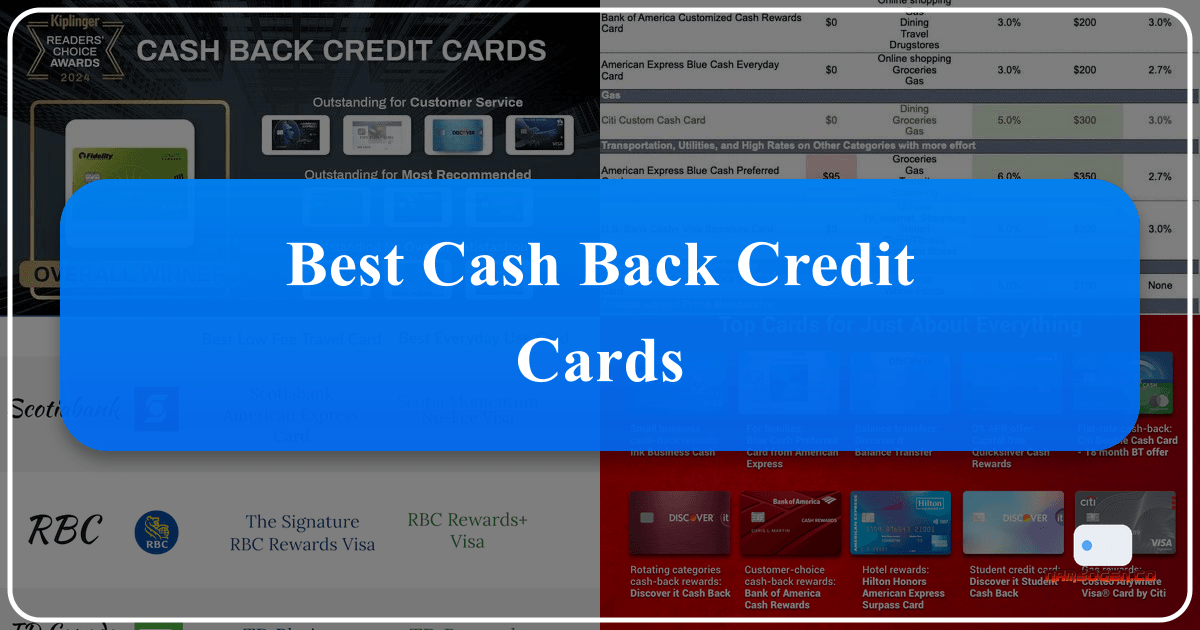
Best Cash Back Credit Cards.
In the expansive world of personal finance, cash back credit cards stand out as one of the most popular and straightforward reward systems available. For those who appreciate tangible savings and flexibility, these cards offer a compelling way to get a percentage of your spending back, effectively reducing the cost of your everyday purchases. Whether you're a seasoned credit card user or just beginning your journey into optimizing your finances, understanding how cash back cards work and which ones best suit your lifestyle can unlock significant value.
At Namsogen.co, we understand that navigating the myriad of credit card options can be daunting. Our comprehensive guides and comparisons aim to simplify this process, helping you make informed decisions about everything from Visa and Mastercard to Amex and Discover, including business and student cards. This in-depth article will serve as your ultimate guide to the best cash back credit cards, exploring their mechanics, benefits, and how to maximize your rewards.
Understanding Cash Back Rewards: How They Work
Cash back is a form of reward where card issuers return a percentage of your spending to you. Unlike airline miles or hotel points, which are often tied to specific travel programs (like Delta SkyMiles or Hilton Honors), cash back offers unparalleled flexibility. You can use it to offset your credit card bill, deposit it into a bank account, or sometimes even redeem it for gift cards or merchandise. This versatility is a primary reason for its broad appeal, fitting seamlessly into various personal finance strategies.
The mechanism behind cash back rewards typically falls into a few main categories:
- Flat-Rate Cash Back: These cards offer a consistent percentage back on all eligible purchases, regardless of the spending category. For example, a card offering 1.5% or 2% cash back on everything means you don't have to track specific categories, making them ideal for simplicity and for those whose spending is varied.
- Bonus Category Cash Back: Many cards offer higher cash back rates on specific spending categories that may change quarterly or annually. These might include popular categories like groceries, gas, dining, or online shopping. Outside of these bonus categories, the card typically offers a lower flat rate (e.g., 1% cash back). This type of card rewards strategic spending.
- Rotating Category Cash Back: Some cards feature categories that rotate every quarter, offering a high cash back rate (often 5%) on a limited amount of spending within those specific categories. Cardholders usually need to "activate" these categories each quarter. This strategy can be highly lucrative for diligent users who can adapt their spending habits.
The value proposition of cash back cards is clear: pay for things you were going to buy anyway, and get a portion of that money back. This passive earning can add up significantly over time, contributing to savings, covering expenses, or simply providing a little extra financial cushion.
Key Factors When Choosing a Cash Back Credit Card
Selecting the "best" cash back card isn't a one-size-fits-all endeavor. The ideal card for you depends heavily on your individual spending habits, financial goals, and credit profile. Namsogen.co emphasizes a holistic approach to credit card selection, considering more than just the headline cash back rate. Here are the crucial factors to evaluate:
Annual Fees vs. Reward Potential
Many excellent cash back cards come with no annual fee, making them highly attractive as they offer pure profit without an upfront cost. However, some premium cash back cards might charge an annual fee, which can range from modest to significant. When considering a card with an annual fee, it's essential to calculate whether the additional rewards, sign-up bonuses, or perks (like travel insurance, lounge access, or trip protection often found with cards like Chase Sapphire or co-branded airline/hotel cards) outweigh the cost of the fee. For a cash back card, this means ensuring your cash back earnings consistently exceed the annual fee.
Sign-Up Bonuses and Welcome Offers
For many, a substantial sign-up bonus or welcome offer can be a major draw. These often require meeting a specific spending threshold within the first few months of card ownership (e.g., spend $500 in the first 3 months to get $200 cash back). A well-timed sign-up bonus can provide an immediate boost to your rewards, making a new card particularly valuable in its first year. Namsogen.co always highlights the importance of these initial offers in our card reviews and comparisons.
Redemption Options and Flexibility
While cash back implies receiving money, the specific ways you can redeem it vary by issuer. Common redemption options include:
- Statement Credit: Directly reducing your credit card balance.
- Direct Deposit: Transferring the cash back to your bank account.
- Gift Cards: Redeeming for gift cards to various retailers, sometimes at an enhanced value.
- Travel Portal: Some cards allow cash back to be redeemed for travel through their own portals, sometimes at a higher value than a simple statement credit.
- Merchandise: Less common, but some programs allow redemption for products.
The more flexible the redemption options, the better. Cards that allow direct deposit or statement credit offer the most utility, aligning with the core appeal of cash back.

Redemption Options and Flexibility.
Interest Rates (APR) and Balance Transfers
While the focus of cash back cards is rewards, it's critical to pay attention to the Annual Percentage Rate (APR). Cash back rewards are most beneficial when you pay your balance in full every month, thereby avoiding interest charges that would negate any earnings. If you anticipate carrying a balance, even occasionally, the interest rate becomes a paramount concern. Some cash back cards offer introductory 0% APR periods on purchases or balance transfers, which can be beneficial for managing debt or financing a large purchase interest-free for a limited time. However, once that introductory period ends, the standard APR kicks in, which can be quite high. Namsogen.co always advises against carrying a balance on reward cards if you want to maximize your financial benefit.
Credit Score Requirements and Issuer Networks
Accessing the best cash back credit cards typically requires a good to excellent credit score (generally FICO scores of 670 or higher). Issuers like Visa, Mastercard, American Express (Amex), and Discover each have their own suite of cash back products, often targeting different credit tiers. Understanding your current credit score is the first step in determining which cards you're likely to qualify for. Our resources at Namsogen.co provide detailed information on credit scores, how to improve them, and which cards align with different credit profiles.
Foreign Transaction Fees and Payments & Security Features
For those who travel internationally, foreign transaction fees can quickly erode cash back earnings. Many premium travel-focused cards waive these fees, and increasingly, even some no-annual-fee cash back cards are following suit. Always check this detail if you plan to use your card abroad. Furthermore, modern credit cards come equipped with essential security features like fraud protection, EMV chips for secure transactions, and compatibility with contactless payment and mobile wallets (Apple Pay, Google Pay). These are standard features that protect your financial information and enhance convenience.
Top Cash Back Credit Cards: Types and Strategies
Identifying the "best" cash back card involves understanding the various types available and how they can be leveraged. Namsogen.co categorizes these cards based on their primary earning structure, allowing you to align a card with your spending habits.
Flat-Rate Cash Back Cards: Simplicity and Consistency
These cards are perfect for individuals who prefer straightforward rewards without the need to track spending categories.
- Ideal for: Those with varied spending, who don't want to micromanage categories, or for use as a primary "everything else" card.
- Strategy: Use it for all purchases where a bonus category card isn't applicable. It's a reliable workhorse for consistent savings.
Bonus Category Cash Back Cards: Maximizing Specific Spending
These cards reward spending more heavily in specific categories that often align with common household expenses.
- Ideal for: Households with predictable spending patterns (e.g., large grocery bills, frequent dining out, significant gas expenses).
- Strategy: Pair with a flat-rate card. Use the bonus category card for its specified high-earning categories, and the flat-rate card for everything else.
Rotating Category Cash Back Cards: High Rewards for Engaged Users
These cards offer exceptionally high cash back rates (often 5%) on categories that change every quarter, usually with a spending cap.
- Ideal for: Users who are organized, willing to activate new categories quarterly, and can adjust their spending to match the bonus categories.
- Strategy: This type of card requires proactive management. Check the categories each quarter, activate the bonus, and prioritize using it for those purchases until you hit the spending cap. These cards are excellent for supplementing a broader cash back strategy.
Business Cash Back Credit Cards
For small business owners, business cash back cards offer similar reward structures but are tailored for business expenses.
- Ideal for: Entrepreneurs, freelancers, and small business owners looking to earn rewards on office supplies, internet services, advertising, or client entertainment.
- Strategy: Keep business and personal expenses separate. Use a dedicated business card to track spending and earn rewards on your operational costs, potentially unlocking significant savings for your enterprise.
Student Cash Back Credit Cards
Designed for college students, these cards help build credit while offering modest rewards.
- Ideal for: Students new to credit, aiming to establish a credit history while earning some cash back on everyday student expenses.
- Strategy: Use responsibly to build a positive credit history. Pay off the balance in full each month to avoid interest and demonstrate financial discipline, paving the way for better cards later.
Maximizing Your Cash Back Rewards and Avoiding Pitfalls

Maximizing Your Cash Back Rewards.
Earning cash back is only half the battle; maximizing it requires smart financial habits and a strategic approach.
Pay Your Balance in Full, Every Month
This is the golden rule for all reward credit cards, especially cash back. Any interest paid on a revolving balance will quickly erase and ultimately exceed the value of your cash back earnings. The goal is to get money back, not give it away in interest.
Match Cards to Your Spending
Don't just get a card because it has a high cash back rate; get one that aligns with *where you actually spend money*. If you rarely eat out, a card with 5% back on dining won't be as beneficial as one offering 3% on groceries if that's your largest expense. A common strategy, often recommended by Namsogen.co, is to use a "card combo"—a flat-rate card for general spending and one or two bonus/rotating category cards for specific high-earning purchases.
Utilize Sign-Up Bonuses Wisely
When applying for a new card, ensure you can comfortably meet the spending requirement for the sign-up bonus without overspending. This initial boost can be a significant portion of your annual cash back earnings. If you have a large planned expense, it can be an opportune time to open a new card.
Set Up Automatic Payments
To avoid late fees and maintain a good credit score (which is crucial for access to better cards and rates), set up automatic minimum or full payments from your bank account. This ensures you never miss a payment.
Understand Your Credit Score and APR
Regularly check your credit score and understand how factors like payment history and credit utilization impact it. A good credit score not only qualifies you for better cash back cards but also lower APRs, which is vital if an unexpected situation forces you to carry a balance temporarily. Familiarize yourself with your card's APR, interest rate, and balance transfer options.
Be Mindful of Annual Fees
Regularly assess whether the benefits you're receiving from a card with an annual fee still outweigh its cost. If your spending habits change or a better no-annual-fee option emerges, it might be time to consider a different card or call the issuer to see if they can offer a retention bonus or downgrade option.
Protect Your Card and Information
Always utilize the fraud protection features offered by your card issuer. Be vigilant about suspicious transactions. The EMV chip provides enhanced security for in-person transactions, and contactless payment and mobile wallet options add another layer of convenience and security by tokenizing your card number.
Conclusion
Cash back credit cards offer a compelling and highly flexible way to get rewarded for your everyday spending. By understanding the different types of cards available, carefully evaluating factors like annual fees, APR, sign-up bonuses, and redemption options, and adopting smart spending habits, you can significantly enhance your financial position.
Whether you're looking for a simple flat-rate card, a card that maximizes rewards in specific categories, or specialized options for business or students, the resources at Namsogen.co are designed to guide you. We provide detailed comparisons, expert reviews, and comprehensive guides to help you navigate the world of Visa, Mastercard, Amex, and Discover, ensuring you choose the best cash back credit card to meet your unique needs and financial aspirations. Start exploring today and transform your spending into savings.